

Books help teach young children about different ideas. At age two, toddlers feel curious about the world and love looking at pictures.
Concept books use simple stories and bright images to introduce basic themes like colors, numbers, and shapes. When these books focus on food, they show kids new fruits, vegetables, and other foods in a fun and easy way.
Books about food can help picky eaters feel more comfortable trying new things. The pictures help kids recognize food they see in real life.
Seeing favorite characters eat healthy treats makes meals more exciting. Simple words and engaging drawings help two-year-olds learn new language every day.
When you pick a concept book about food for a toddler, choose one that is strong enough for little hands. Sturdy board books with easy-to-turn pages work best.
Bright artwork and easy-to-read text keep toddlers interested. Some books have interactive flaps or textures, but all should be safe and free from small parts.
We read and compared popular concept books about food to find the ones that make learning about food easy and fun for two-year-olds.
Best Concept Books About Food for 2-Year-Olds
Little ones love learning about food through books. Our list shares some of the best concept books about food for curious two-year-olds.
Let’s explore these fun and colorful picks together.
Little Book of Pasta Board Book
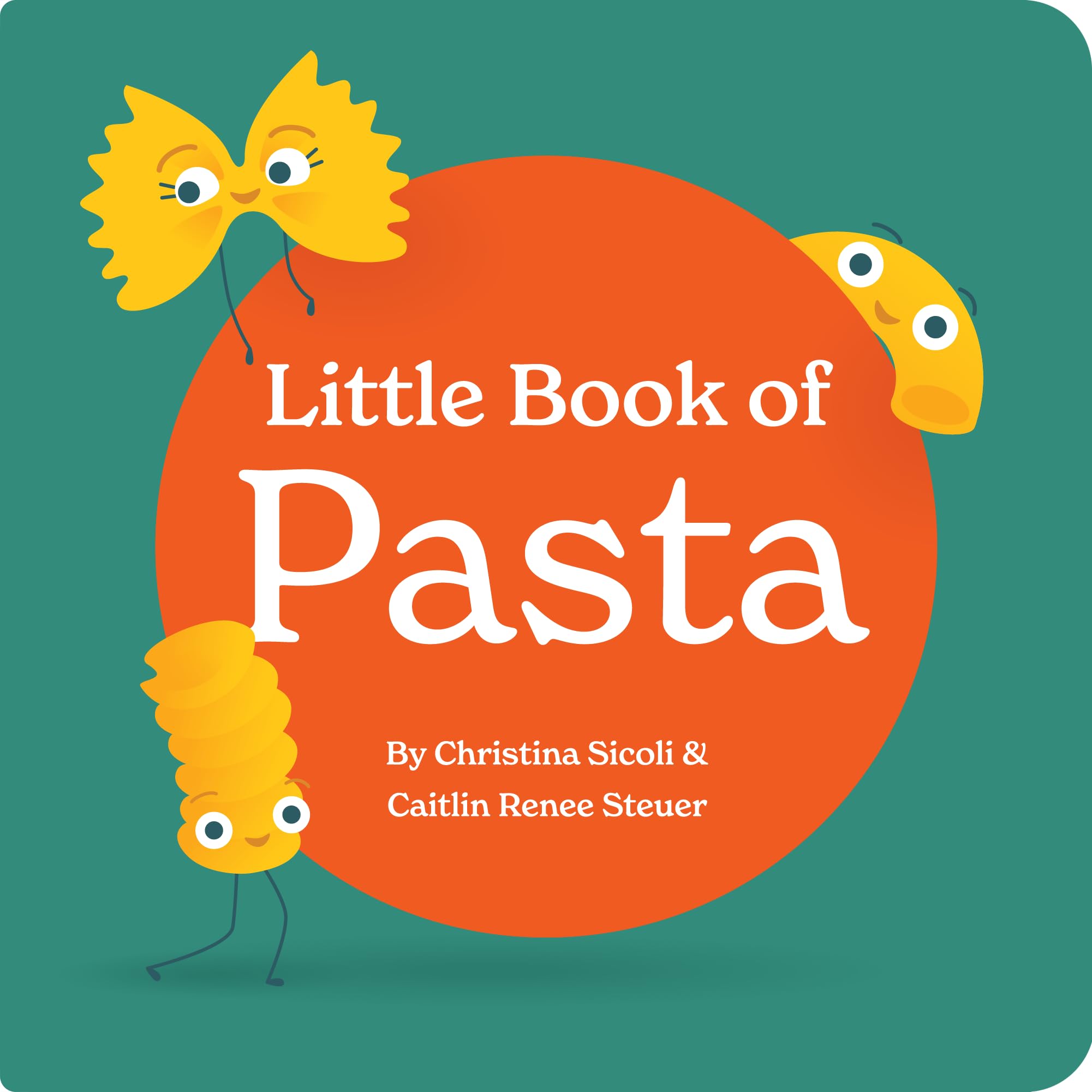
If you want to introduce pasta shapes in a fun, colorful way, this book is a charming choice.
Pros
- Pages are strong and perfect for little hands
- Illustrations are bold and easy for young eyes to follow
- Short rhymes make it simple and fun to read together
Cons
- Not many pasta shapes are covered
- The price seems high for such a small book
- Some may find it too basic for older toddlers
We enjoyed using the Little Book of Pasta Board Book to introduce basic food ideas to young kids. It’s easy to hold, brightly colored, and just the right size for small hands.
Turning each page kept our toddler’s attention with fun pictures and simple words. The rhymes made it easy to join in and talk about each pasta shape.
The sturdy design let us relax about bent or torn pages. It also makes a sweet gift for families who love Italian food.
The book covers only a few pasta types. If you want a long story or a wide range of foods, this book might not be enough.
Still, for a first book about food, it’s an engaging way to share time and learn together.
Stir Crack Whisk Bake Board Book

If you want a fun and interactive food book for toddlers, this one gets little ones really involved with the story.
Pros
- Gets kids to pretend bake with their hands
- Strong, sturdy pages hold up to active toddlers
- Cute story helps introduce baking basics
Cons
- Limited hands-on activities compared to some books
- Pages could use a few more textures
- The book may show some wear with heavy use
With “Stir Crack Whisk Bake,” our kids jump right in, using their fingers to stir, pour, and frost cupcakes on the pages. The simple steps mirror real baking, so even picky listeners pay attention.
The board book is durable and just the right size for small hands. This encourages pretend play and sometimes inspires us to bake together afterward.
There is not much touch-and-feel, but the pretend actions keep kids engaged. The book holds up to frequent use in our family.
Stir Crack Whisk Bake Board Book is a good pick if you want something beyond just reading together.
My First 100 Food We Eat

This colorful board book is a helpful and simple choice for families introducing everyday foods to toddlers.
Pros
- Features bright photographs of real foods that kids can recognize
- Portable and lightweight for car rides or outings
- Encourages early word recognition and food identification
Cons
- Pages could be thicker to withstand rough toddler hands
- Only features basic foods—more variety would be nice
- Shorter than expected at just 16 pages
Our little one started pointing out foods they knew and tried to name some they didn’t. The clear and simple pictures help young toddlers pick out familiar snacks and meals.
We found it handy at home and as a distraction in waiting rooms and the car. The compact size made it easy to carry in a bag.
Our toddlers loved flipping through the pages, and it even encouraged a few new food requests at dinner. Some might want thicker pages, as they bend with daily use, but the binding holds up for most readers.
While “My First 100 Food We Eat” is short, it covers a solid range of foods—fruits, veggies, snacks, and drinks. It’s easy to use this book to start conversations about what’s on their plate or to try something new.
Eating the Alphabet

This book is great for families who want to introduce little ones to healthy foods in a playful way.
Pros
- Bright and playful pictures make every page eye-catching
- Lots of fruits and vegetables, some we hadn’t even seen before
- Thick pages hold up well to sticky toddler hands
Cons
- Some foods are rare and might confuse young kids
- Illustrations are simple, not very realistic
- Book is a bit short for storytime
We noticed right away how the colors jump off every page in Eating the Alphabet. Each letter comes with a mix of fruits and veggies—some familiar and some new.
It sparked fun questions with our toddler, and now shopping for food feels more like a mini-adventure. The pages feel sturdy, which is great for two-year-olds who love to turn the pages themselves.
The simple and bold art gets their attention, even if it doesn’t always look like real food. Sometimes we wish the book was a bit longer, since our little one wants to keep reading about more foods.
It also includes some unusual items, so we’ve had to look up a gooseberry or two. Eating the Alphabet is a good pick if you want to make learning about healthy foods part of your daily reading.
Strawberries Are Red
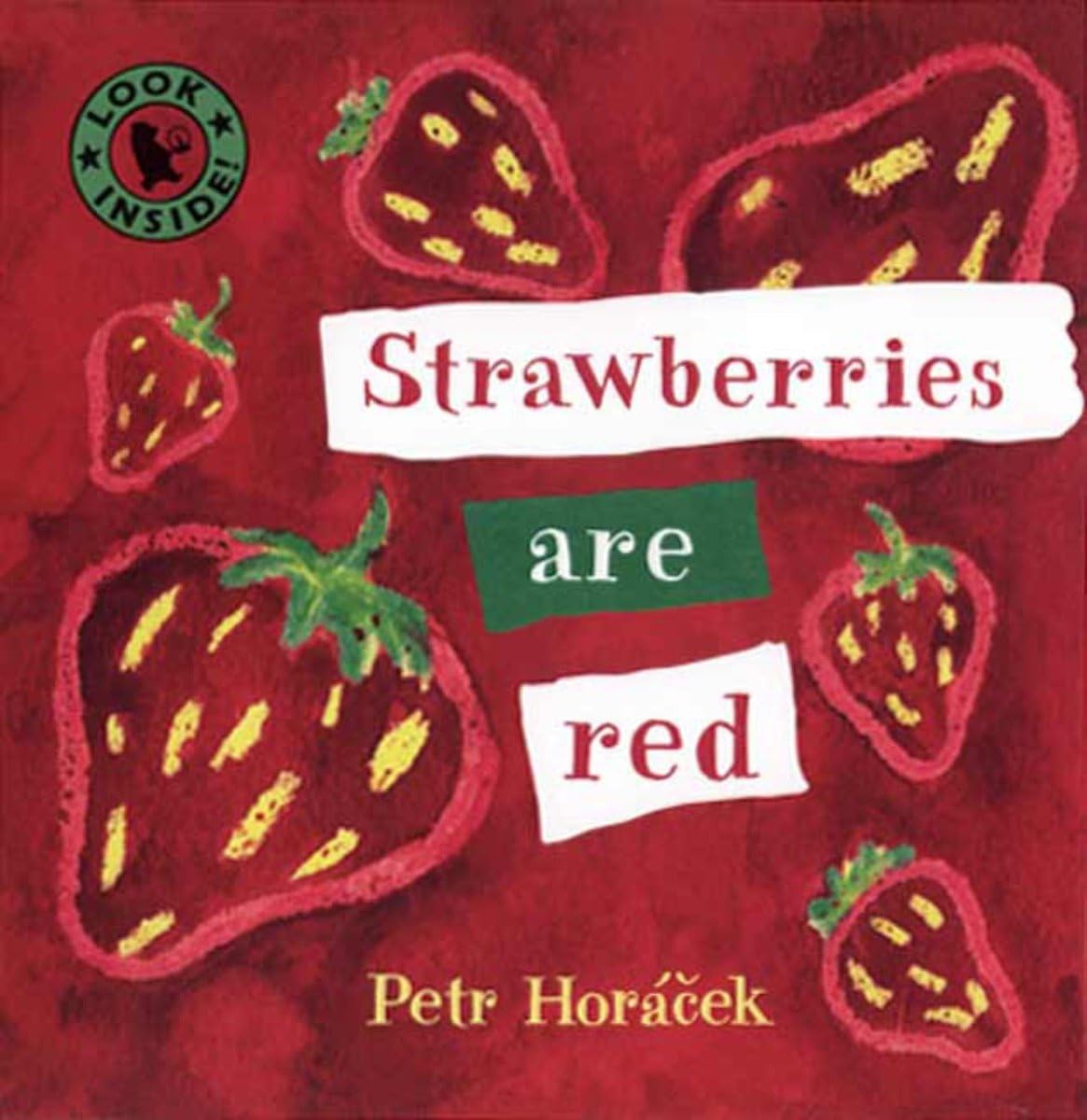
This is a wonderful book for families who want to teach toddlers about colors and fruits in a simple, hands-on way.
Pros
- Simple, colorful pages make learning about fruit and colors fun
- Board book design holds up well to rough toddler use
- Just the right length for short attention spans
Cons
- Smaller size means it can get misplaced easily
- Limited information for older toddlers
- Some pages can stick together at first
Our little ones loved the bright, bold art in Strawberries Are Red. Each page introduces a different fruit and color with cheerful illustrations that toddlers enjoy.
Turning the thick, bumpy-edged pages is fun for small hands. The book is short and focused, making it easy to squeeze in a quick reading session.
It’s small enough to carry in a diaper bag, which is handy for trips. We wished it covered more concepts as our kids get older.
At first, a couple of the pages stuck together, but this was easy to fix. Strawberries Are Red is simple and sweet, and it’s a great pick for introducing fruits and colors to young kids.
Buying Guide
When you pick out concept books about food for 2-year-olds, check a few key things. The right book helps toddlers learn and have fun.
Board books work best for little hands. These books are sturdy and do not rip easily, even with daily use.
Choose books with simple language and bright, clear pictures. Too many words or confusing images can overwhelm young children.
Books with real photos or bold drawings keep your child’s attention. This makes reading more enjoyable.
Things to Consider
| Feature | Why It Matters |
|---|---|
| Sturdy Pages | Lasts longer and safe for toddlers |
| Simple Words | Easy for young kids to understand |
| Bright Pictures | Makes reading time more fun |
| Interactive | Flaps or textures keep kids engaged |
| Size | Small enough for little hands to hold |
Books with interactive features like flaps or textures make reading more fun. These features help your child use their hands and stay interested.
Check if the book matches your child’s interests. Some kids love fruit, while others prefer bread or milk.
Pick a topic your child enjoys to make story time special.
Look at age recommendations before choosing a book. Books marked for toddlers usually fit 2-year-olds well.


