

Reading storybooks with 5-year-olds is fun and important. Stories at this age help kids learn about the world and grow their imaginations.
They also show children how stories work—what happens first, next, and last.
Storybooks for 5-year-olds should have simple words and bright pictures. Plots should be easy to follow.
The right book makes it easy for us to talk with our kids about what happens in the story. It helps them remember the beginning, middle, and end.
Books can even inspire children to make up their own stories.
When we choose storybooks, we look for strong, sturdy pages that can handle rough hands. We also consider the length of the book and if it matches a 5-year-old’s attention span.
Topics and characters should be age-appropriate. We avoid anything too scary or confusing.
We spent hours looking at many storybooks for 5-year-olds. We found books that help kids build narrative skills through fun and simple stories.
Best Storybooks for 5-Year-Olds: Building Narrative Skills
We know young children need to enjoy reading and learn storytelling skills. The storybooks below can help five-year-olds grow their imagination and understand how stories work.
Let’s find the best books to share with our young readers.
What Should Danny Do?

This interactive storybook helps young children learn about choices. Kids see how every decision can change the outcome.
Pros
- Lets kids choose what happens in the story
- Focuses on real-life decision making
- Easy for children to understand and discuss
Cons
- The story can become predictable after several reads
- Some choices feel a bit forced
- Illustrations might not appeal to every child
We read “What Should Danny Do?” together and had many chances to talk about daily decisions. The story uses moments that 5-year-olds really face, like sharing or handling problems.
Each choice takes the story in a different direction, so it feels fresh every time. The book works like a pick-your-path story, but Danny’s choices are grounded in real life.
We get to choose what Danny should do, so reading becomes more active. The kids love seeing what happens after each choice.
It’s easy to pause and talk about why Danny might act a certain way. After a few reads, kids may start to guess what will happen next.
Not every illustration grabbed our attention, and some choices felt a little too easy. Still, “What Should Danny Do?” is great for starting conversations about personal responsibility.
Learn to Read: Phonics Storybook

This storybook is a good pick for anyone wanting to help a five-year-old start reading with confidence.
Pros
- Stories are short and simple, perfect for young learners
- Includes activities that help kids practice skills
- Great for building early reading confidence
Cons
- Some stories may feel repetitive after a while
- The workbook style might not interest every child
- Paper quality could be sturdier
When we used the Learn to Read: Phonics Storybook, our kids enjoyed the short stories and easy words. The stories never felt overwhelming.
Each story is just the right length to keep their attention. After each story, simple exercises encouraged us to talk and practice writing.
This book fits well for young readers just starting out. It covers many basic words and focuses on familiar topics.
The phonics activities help reinforce what we just read. They don’t take much extra time.
Not every child loves the workbook format. After a few stories, some of us wanted more variety.
For early learners and busy parents, the Learn to Read: Phonics Storybook is a reliable way to practice phonics and enjoy reading together.
Inspiring Stories For Amazing Girls
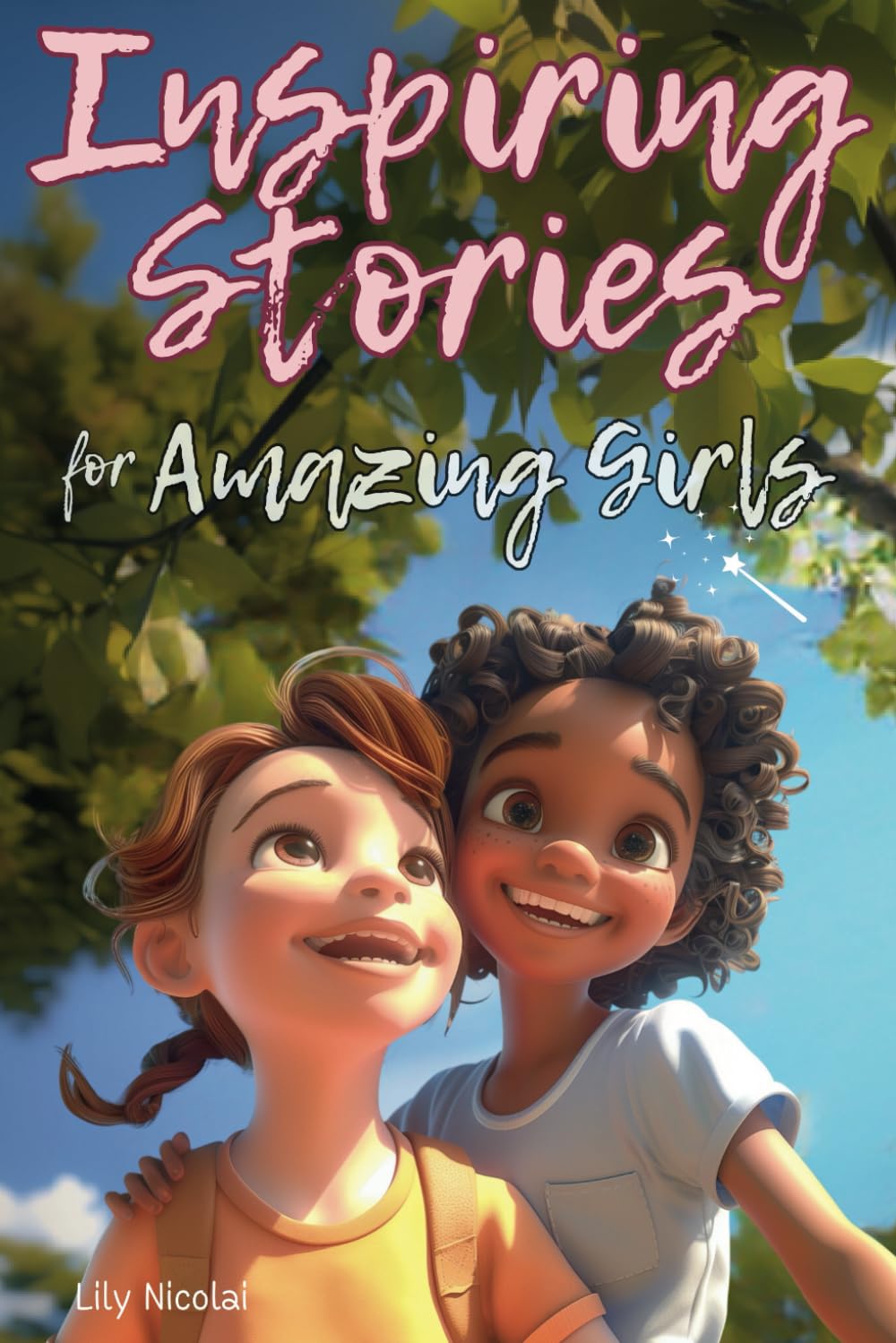
If we want to encourage our kids to be confident, kind, and express themselves, this book stands out as a helpful pick.
Pros
- Great for building confidence and kindness
- Easy to read stories that keep kids interested
- Teaches real-life lessons in a gentle way
Cons
- Focused more on girls than boys
- Not many pictures inside
- Some stories might feel a bit too simple
“Inspiring Stories For Amazing Girls” includes short tales that are uplifting and perfect for starting conversations about feelings and friendships. The book shares stories about real issues, like making friends, showing kindness, and learning self-respect.
Our children related to characters who learn to handle problems in positive ways. Each story is short enough to keep five-year-olds’ attention but still includes a meaningful lesson.
We used these stories as starting points for talking about real-life situations. While the book is aimed mainly at girls, many stories work for any child.
There aren’t many illustrations, which some kids might miss. The clear writing style and focus on important character traits make it a good read for building narrative skills.
Disney Princess 5-Minute Stories
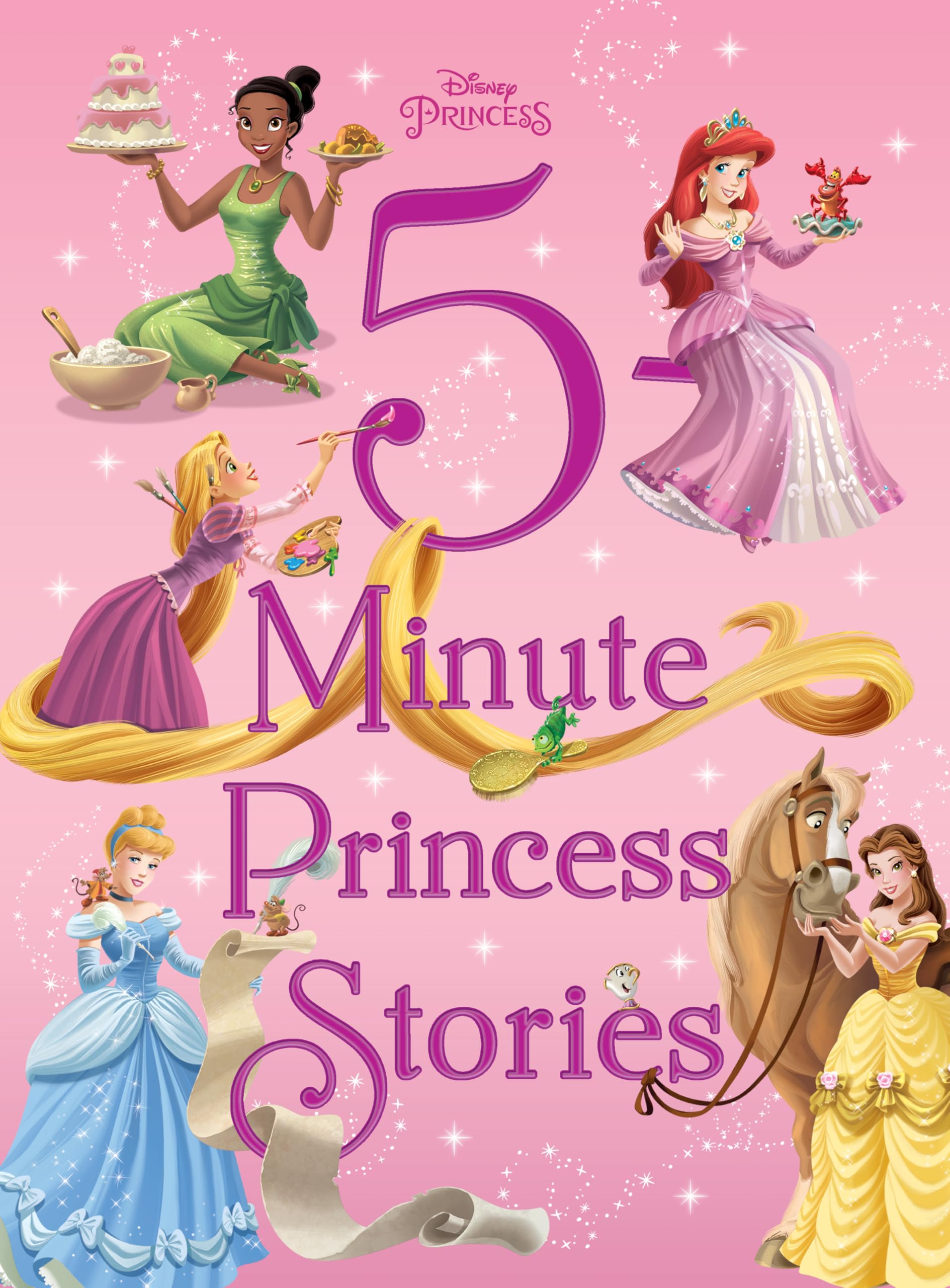
This storybook is a great pick for families who want quick, fun stories with Disney princess characters.
Pros
- Short stories are easy to finish in one sitting
- Bright pictures keep kids interested
- Familiar princesses make storytime exciting
Cons
- Not the original princess stories, but new adventures
- Some stories may feel too quick or simple
- Limited appeal if your child is not a princess fan
When we read this book at bedtime, the five-minute stories fit in easily before lights out. The colorful pictures helped us talk about each scene with our child.
The mix of princesses meant we could choose something new every night. The stories are simple but still give us chances to talk about what happened and what could happen next.
This helped our child get better at telling stories in their own words. Even the shortest stories sparked conversations.
If your kids love Disney princesses, this book will likely become a favorite. It’s best for families who want short stories with familiar characters.
Never Ask a Christmas Elf
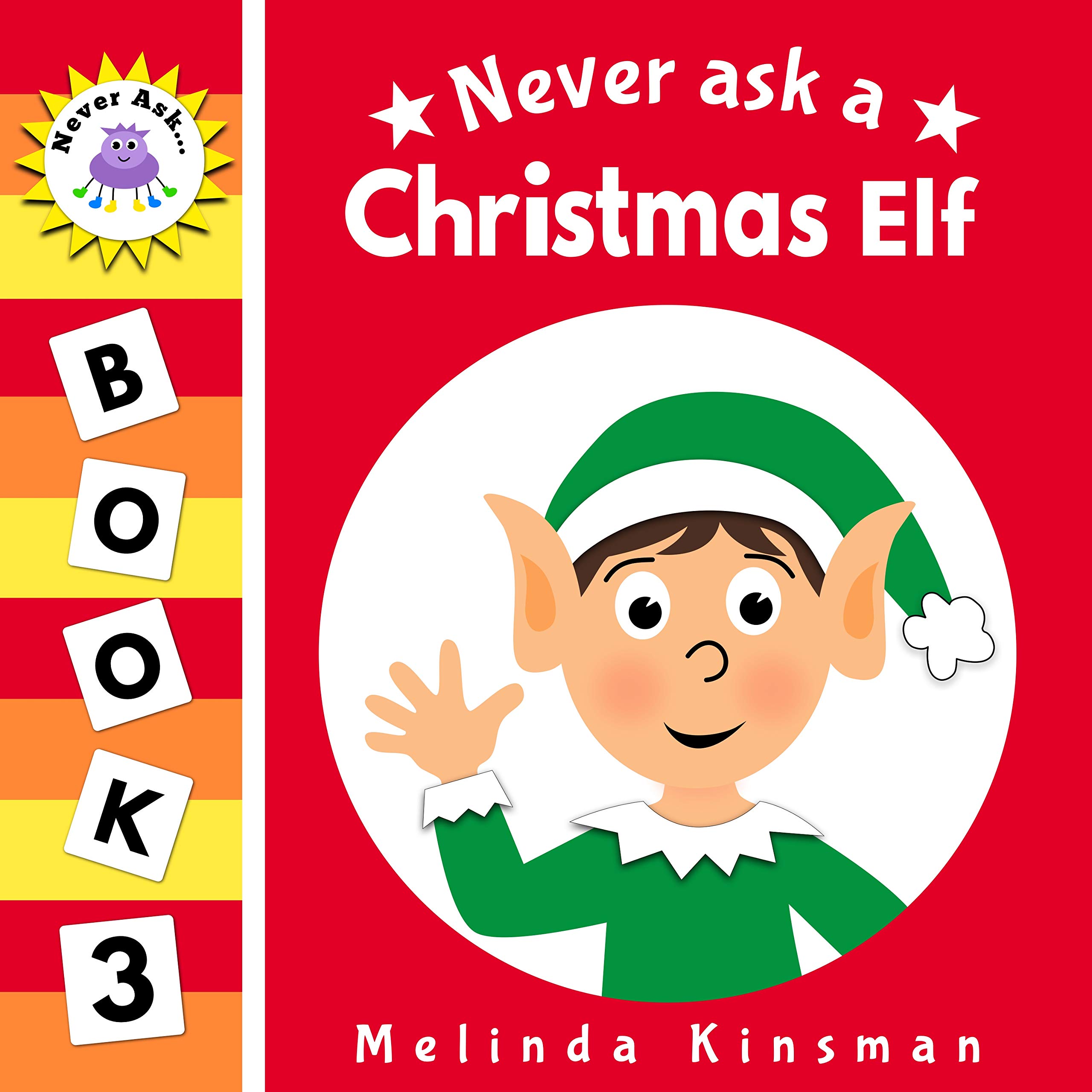
This lively holiday story brings laughter and fun to bedtime reading.
Pros
- Funny story with playful rhymes and humor
- Bright, colorful illustrations that keep young kids interested
- Includes some puzzles and activities at the end of the book
Cons
- Story is very focused on Christmas, so it may not be ideal year-round
- Some jokes might go over the heads of the youngest listeners
- The message about elves not playing fair isn’t super clear
We had fun reading this story aloud. The rhymes move the story along quickly and keep everyone engaged.
The snowball fight with the elves sets up plenty of silly moments. The kids loved when the elves got mischievous.
The art is eye-catching and bright. We appreciated seeing diverse kids in the illustrations.
Our group liked spotting different details on each page. Having a character in a wheelchair stood out as a positive touch for representation.
After the story, puzzles and little activities add extra fun. Never Ask a Christmas Elf is a fun option for the holidays, though we might not read it outside the winter season.
Buying Guide
When choosing storybooks for 5-year-olds, look for books with simple and clear language. These books help children understand and enjoy the story.
Repetitive phrases and easy words make it easier for children to join in. Children can also remember what happens next.
Pictures matter a lot at this age. Pick books with colorful and clear illustrations.
Bright, big images keep children interested. They also help children follow the story.
Check if the stories are age-appropriate. Books with gentle themes and happy endings suit 5-year-olds.
Avoid stories with scary or confusing content.
Here are some things to consider when picking a storybook:
| Feature | What to Look For |
|---|---|
| Length | Short stories, 24-40 pages |
| Text Size | Large, easy-to-read font |
| Illustrations | Colorful and engaging pictures |
| Themes | Simple, positive messages |
| Interaction | Questions or repeating phrases |
Some books include activities, such as questions at the end or search-and-find elements. These features help you talk with your kids about the story and encourage thinking.
Book covers and sturdy pages are important, too. Choose board books or books with thicker paper because they last longer and hold up to frequent use.


