

Storybooks help young children learn new words in a fun way. At age three, kids start to speak in simple sentences and feel curious about the world.
Reading storybooks together lets them hear and practice new vocabulary. They enjoy learning in a setting that feels playful and safe.
When we look for storybooks for 3-year-olds, we focus on a few key things. The pictures need to be bright and clear.
The story should be simple. The words should be easy to understand.
Books that rhyme or repeat phrases help kids remember new words. It also helps to pick books on topics your child likes, such as animals or daily routines.
Durability and age-appropriateness matter most when shopping for these storybooks. Board books or thick pages work best for little hands still learning to turn pages gently.
We also choose books made from safe, non-toxic materials with high-quality printing. These books last through many reading sessions.
We read and compared popular storybooks for 3-year-olds to find the ones that make learning new words fun and easy.
Best Storybooks for 3-Year-Olds: Expanding Vocabulary
Helping little ones grow their language skills is important. That’s why we picked out some of the best storybooks for expanding vocabulary in 3-year-olds.
Let’s look at our top choices.
A House Is a House for Me
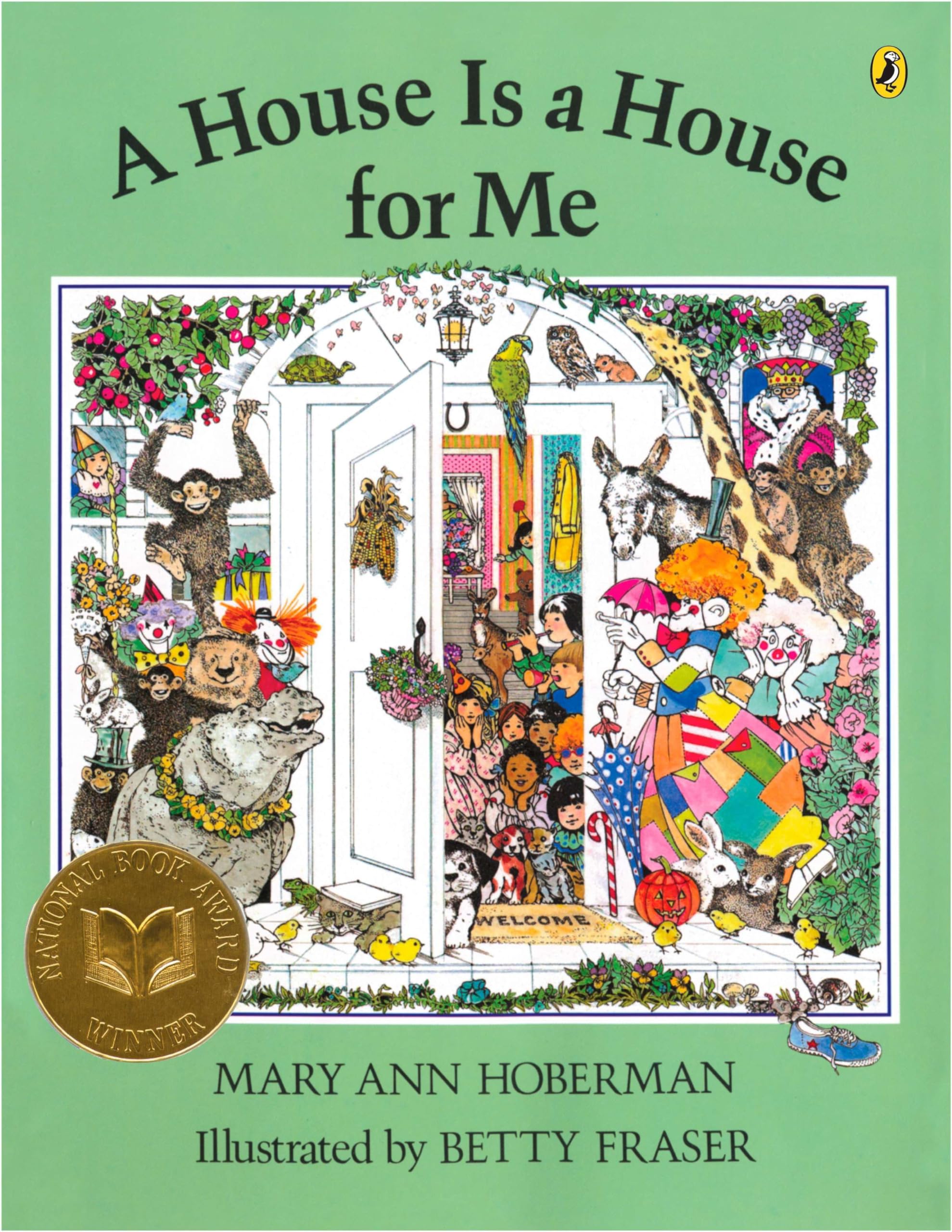
Try this book if you want a fun way to help your child learn new words and ideas.
Pros
- Engages kids with catchy rhymes and patterns
- Beautiful artwork gives us lots to look at
- Sparks young minds to notice homes all around
Cons
- Some pages may feel long for restless toddlers
- Illustrations, while lovely, might distract from words
- Repetition of the theme could feel a bit much after several reads
We read “A House Is a House for Me” together and enjoyed the playful rhymes. Each page shows a new way to look at homes—not just for people, but for animals, objects, and even a pea in its pod.
The gentle rhythm makes it great for bedtime or quiet time. The artwork kept all of us interested.
Our little ones pointed out tiny details and asked questions about what they saw. If your child likes to linger on pictures, this book gives you plenty to discuss and spot.
Sometimes, the amount of text per page stretched our three-year-old’s attention, so we skipped ahead here and there. The story style lets us jump around easily without losing track.
Vocabulary Builder Workbook

The Vocabulary Builder Workbook offers many words and explanations but is too advanced for most 3-year-olds.
Pros
- Offers a huge collection of words and explanations
- Organizes lessons by themes, making it simple to follow
- Includes activities for practicing new vocabulary
Cons
- Most words and exercises are far above a preschool level
- Workbook format can be confusing for young children
- Some lessons cover topics not relevant or engaging for toddlers
We looked through this book and saw that the content fits older kids, not toddlers. The format uses structured lessons and written exercises that need reading and writing skills beyond what a typical 3-year-old has.
Even though the words are explained well, the vocabulary choices fit middle schoolers or even high school students better. The book is well organized and could help older children, especially those preparing for school exams.
For parents wanting to introduce new words to their preschooler, this workbook would be too challenging and could cause frustration.
Little Critter Storybook Collection
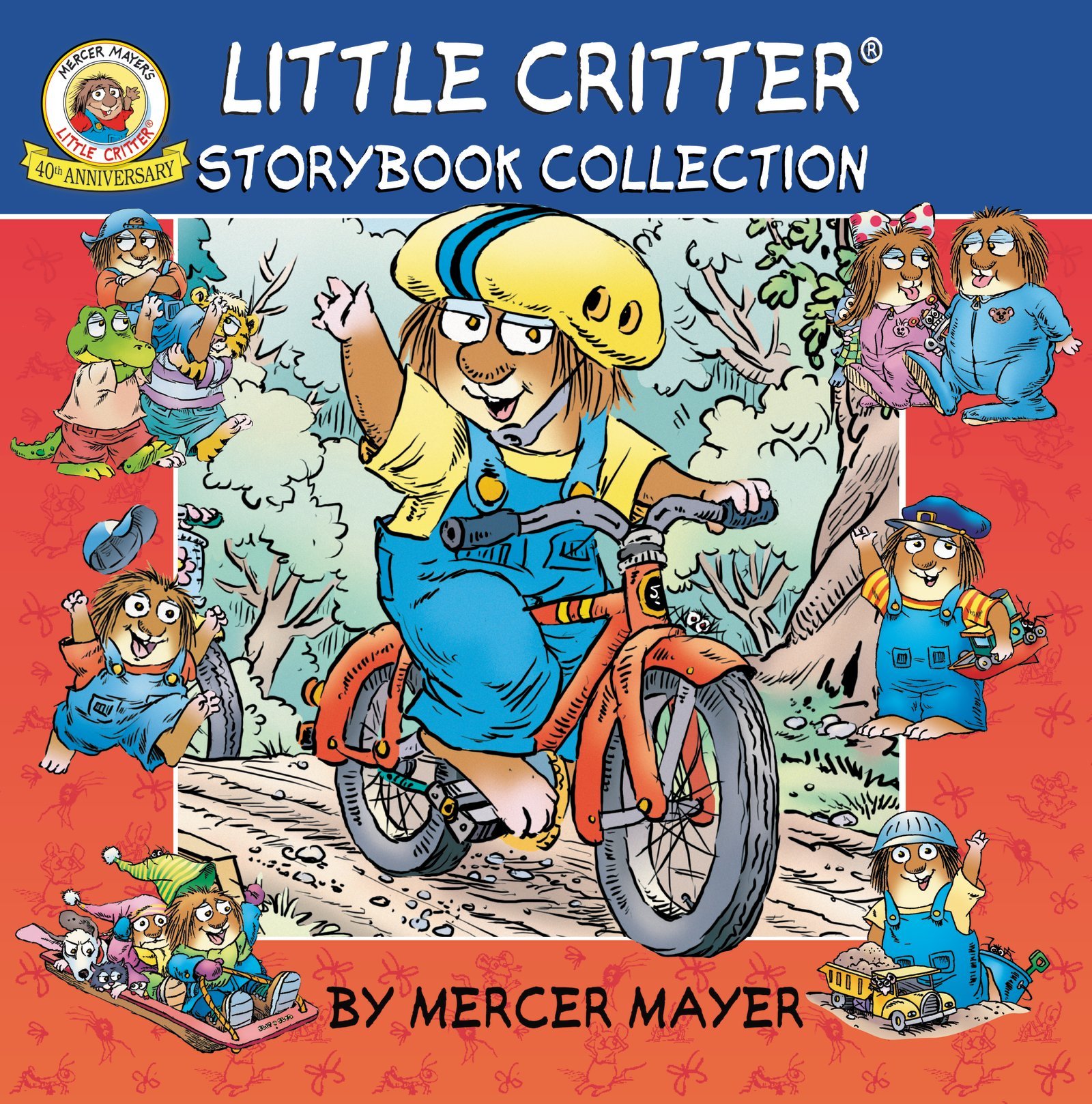
The Little Critter Storybook Collection is a good choice if you want a bundle of stories that build vocabulary and keep your three-year-old interested.
Pros
- Includes many stories in one book
- Colorful pictures help with learning new words
- Classic themes that feel familiar and safe
Cons
- Book is a bit heavy for small hands
- Some wording feels a little old
- Not all stories may interest every child
Opening the Little Critter Storybook Collection brings back memories from our own childhoods. The book gathers many well-loved tales, so we don’t have to search for separate books.
The illustrations grab our attention. Our kids stay curious about what’s going to happen next.
It’s easy to read just one story, or a couple if we have more time before bed. Each tale adds new words, making it a gentle way to grow vocabulary.
Our kids ask about what’s happening in the pictures, which turns into real conversations. The collection is a bit heavy for three-year-olds to hold alone, but it feels sturdy and should last a long time.
Some of the writing feels old-fashioned, but most stories still work for today’s children.
ABC I Love Me

ABC I Love Me is a great pick for anyone wanting a simple and affirming alphabet book. It helps little ones grow their language skills and boosts their confidence.
Pros
- Encourages self-love with positive words and messages
- Features diverse characters children can relate to
- Fun way to build alphabet and vocabulary skills
Cons
- Book feels a bit thin and could be more sturdy
- Some alphabet pages have shorter words or less content
- The ending could be more detailed or have a stronger finish
When we shared this book with our little ones, they picked up the words and phrases quickly. Each page brings out a new letter with an uplifting message.
Kids enjoy repeating the affirmations and connecting with the illustrations. The artwork features children from different backgrounds, so everyone can see themselves in the story.
Learning the alphabet becomes more personal and meaningful when characters look familiar. The short words for each letter help us introduce new vocabulary in a memorable way.
The book is a bit flimsy, so we handle it carefully during storytime. Some pages feel brief, and we would have liked an extra page at the end to wrap up the story.
Scarry’s Best Word Book Ever

This book offers a fantastic way for families to boost their 3-year-old’s vocabulary with fun and color.
Pros
- Packed with everyday words and scenes
- Bright, detailed illustrations keep kids engaged
- Durable and large for group reading
Cons
- Some pictures may feel dated
- Busy pages can be overwhelming
- Not much story, mostly vocab
When we brought out Scarry’s Best Word Book Ever, our little ones’ eyes lit up at the playful drawings. They picked up lots of vocabulary by pointing and naming things on the pages.
Each area, like the kitchen or the farm, gives us many chances to talk about new words. The extra-large pages make it easy to share the book during storytime.
Our kids love looking for familiar items and ask questions about new things they see. Sometimes the scenes get crowded, so we help guide them through so they don’t miss out on the details.
Some pictures remind us of older styles, but that gives it a unique charm. We use this book again and again—it’s sturdy, colorful, and always brings plenty of conversation and smiles to our reading time.
Buying Guide
When you shop for storybooks for 3-year-olds, look at more than just the cover. Choose books that help children learn new words and spark curiosity.
Key Features to Check:
- Simple words: Clear and easy words help little ones build vocabulary.
- Colorful pictures: Bright and detailed pictures keep children interested and show what words mean.
- Sturdy pages: Board books or thick paper last longer with little hands.
- Rhyme and repetition: These features make it easier to remember new words.
What to Avoid:
- Very complicated stories
- Tiny print
- Books with too much text per page
- Stories with topics that aren’t age-appropriate
| Feature | Why It Matters |
|---|---|
| Simple language | Helps children understand and learn words |
| Bright pictures | Keeps attention and supports learning |
| Durable pages | Makes books last through rough handling |
| Short sentences | Easier for kids to follow and repeat |
Choose storybooks that invite you to talk about the pictures. This helps you use more words during reading time.
Pick books that introduce basic concepts like colors, numbers, and feelings. These books help children expand their vocabulary and understanding.
Look for books that encourage reading together every day. Make reading time fun and interactive.


