

Helping young children understand emotions is important for their growth. At age two, kids are just starting to notice their own feelings and the feelings of others.
Reading concept books about emotions helps them recognize, name, and talk about how they feel.
Books for two-year-olds need to be simple, sturdy, and easy to understand. The words and pictures should match the emotions shown, using clear faces and actions.
Thick pages work best, since toddlers are still learning how to handle books.
When we choose an emotions book for young kids, we look for safe materials and bright illustrations. The content should be age-appropriate and use simple language.
The book should teach feelings in a gentle and clear way. These details make storytime fun and safe, while building important social and emotional skills.
We read and tested many concept books about feelings. We found the ones that best help two-year-olds learn and relate to emotions.
Best Concept Books About Emotions for 2-Year-Olds
It can be tough to help little ones talk about their feelings. That’s why we picked out some of the best concept books about emotions for 2-year-olds.
Let’s look at our top choices to help kids learn and share how they feel.
My First Book of Emotions
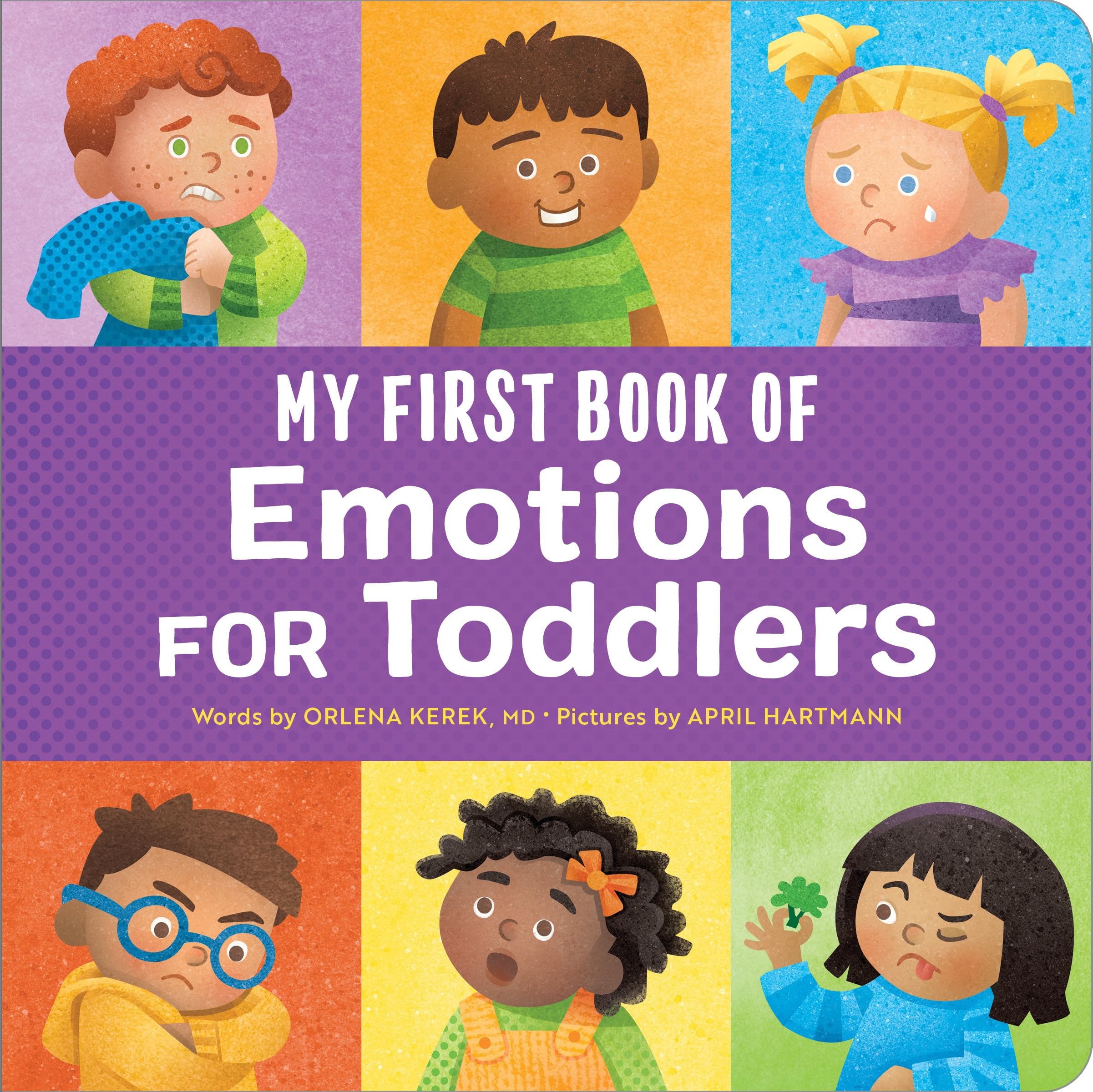
This book is a great choice for teaching toddlers to understand and share their feelings.
Pros
- Simple emotion words and clear pictures make big feelings easier to talk about.
- The sturdy pages are just right for little hands.
- Suggestions for parents make sharing the book extra helpful.
Cons
- Some people have noticed minor damage to the cover after shipping.
- Families who want a story may prefer a different book.
- At just 24 pages, it’s a quick read and may leave us wanting more examples.
When we read My First Book of Emotions with our little ones, we see how each emotion appears in large, colorful pictures. This helps kids point and name what they’re feeling.
Our toddlers quickly learn to say if they’re happy, sad, or mad just by looking at the faces in the book.
We like that the book gives gentle prompts for parents. Tips in the margins help us ask questions or give examples as we read together.
This makes it easy to turn storytime into a learning moment.
The book is short and to the point. While some days our toddler wants something longer, this book offers quick, focused lessons.
For teaching emotions to very young kids, My First Book of Emotions is a friendly choice for our bookshelf.
The Color Monster

The Color Monster is a great pick for helping toddlers start to talk about their big feelings.
Pros
- Relates emotions to colors, making them easy to understand.
- Bright, detailed pictures hold young kids’ attention.
- Encourages talking about feelings during reading time.
Cons
- Some pages feel a bit long for wiggly two-year-olds.
- The story order can confuse kids at first.
- A large, hardcover book can be tough for little hands to hold.
When we share The Color Monster with our little ones, we see how quickly they point to the colors and match them to feelings. The book makes it simple for even the youngest toddlers to connect what they’re feeling to something they know.
Matching emotions with colors makes talking about big feelings less overwhelming.
The artwork is bright and exciting. Our kids love looking at each picture, and sometimes flip through the book on their own.
Often, kids tell us, “I’m feeling yellow like the monster!” after reading.
Some sections can seem a bit long when our children want to skip to their favorite part. The book’s size means we usually hold it with them.
Still, we reach for The Color Monster often when we want to talk about feelings in a way our little ones understand.
The Color Monster Pop-Up Book

The Color Monster Pop-Up Book is a fun and engaging way to talk about emotions with a two-year-old.
Pros
- Eye-catching pop-up pages hold our child’s attention.
- Explains big feelings using colors in a simple way.
- Makes it easier to talk about moods after tough days.
Cons
- The pop-up parts are fragile and need gentle hands.
- Some pop-ups don’t work as smoothly as others.
- We wish the story was a little longer, especially for bedtime.
The creative, colorful pop-up design makes this book stand out. Every page feels like a small surprise.
Our little ones get excited to see what pops up next. This makes it easier for us to start conversations about feelings.
When our child struggled to explain a meltdown, we asked, “Which color do you feel like?” He could point and show us instead of using words.
We see how this book helps make sense of emotions at this age.
We supervise closely because the pop-ups are delicate, and there have been a few close calls with torn pages. Even with short text, the pictures keep us coming back.
The Color Monster Pop-Up Book is a good choice if you want to help your child understand feelings in a hands-on way.
Feelings Activity Book for Toddlers

This is a practical choice for helping little ones explore emotions with fun, easy activities.
Pros
- Lots of creative, hands-on activities.
- Helps kids learn about emotions step by step.
- Easy for parents to follow.
Cons
- Some pages work better for older toddlers.
- A few activities need extra supplies.
- The book can seem too advanced for children under 2.
This activity book makes talking about feelings enjoyable. The pages are colorful, and the steps are simple.
Our toddlers enjoy using stickers, coloring, and making facial expressions with us.
Most activities are quick, so we can fit them into our day. The book gives clear guidance and makes it easy to choose what to try next.
There’s a nice variety—some days we use art, other times we act out emotions.
A few activities seem a bit grown-up for younger two-year-olds, but we can adapt them with more help. Each activity lists what we need before we start.
The Feelings Activity Book for Toddlers is a good way to introduce emotions while keeping things light and playful.
Little Monkey Calms Down

We recommend this book for families who want a gentle way to teach toddlers about managing big feelings.
Pros
- Helps toddlers practice calming strategies.
- Adorable illustrations keep young kids interested.
- Durable board book pages stand up to rough handling.
Cons
- Some parts may need extra explanation for younger kids.
- Strategies in the book might not fit every child.
- The text can be basic for older toddlers.
After we read “Little Monkey Calms Down” together, our toddler acted out the deep breathing and singing like the monkey in the story. The simple steps on each page made it easy for us to pause and practice together.
Watching our child pretend to calm down like the main character showed us how useful story-based teaching can be.
The pictures are colorful and cheerful, which keeps our little one’s attention. We like that the book focuses on a few key ideas, such as taking deep breaths and relaxing.
The sturdy board book holds up well with daily use.
Sometimes we add our own explanations, especially when the story moves quickly between steps. Not every technique works for every child, and some might find the words too simple after a few readings.
Little Monkey Calms Down is a good pick for starting conversations about feelings in a fun, approachable way.
Buying Guide
When you look for concept books about emotions for 2-year-olds, keep things simple and fun.
Board books with thick pages work best because little hands can turn them easily.
Check for bright, clear pictures.
Pictures of faces help because they show emotions clearly.
Simple, easy-to-understand words are better for this age.
A good book for young children is short.
Stories should hold a toddler’s attention, with only a few sentences on each page.
Books that rhyme or repeat words can make learning about feelings more engaging.
Here’s a quick list of things to look for:
- Sturdy pages
- Large, colorful pictures
- Short, simple text
- Clear facial expressions
- Interactive features (like flaps or textures)
Think about the topics in the book.
Some books show only happy faces, while others include emotions like sad, mad, and calm.
More variety helps your child learn about different feelings.
| Feature | Why It Matters |
|---|---|
| Thick Pages | Harder to tear, lasts longer |
| Clear Pictures | Easier for kids to understand |
| Simple Language | Helps toddlers learn words |


