

Learning to tell time is a big step for young children. At age four, most kids are just starting to notice the difference between day and night.
They may feel curious about mornings, afternoons, and bedtime. Books about time for 4-year-olds can make these ideas clear by using simple stories and colorful pictures.
Time books for kids come in many types. Some focus on daily routines, while others use clocks, calendars, or fun characters to teach about hours and days.
These books help children see patterns in their day and use words like “yesterday,” “today,” and “tomorrow.” Kids also start talking about “soon” and “later.”
When you pick a time book for a 4-year-old, look for simple language and sturdy pages. Interactive features, like moving clock hands or flaps, can keep kids interested.
We reviewed the most popular books about time and found ones that help young children learn about days and hours in a fun way.
Best Books About Time for 4-Year-Olds
Teaching kids about days and hours can be tricky. We found some fun books to help.
These picks are perfect for little ones just starting to explore time. Let’s look at the best options for learning together.
A Year in a Castle
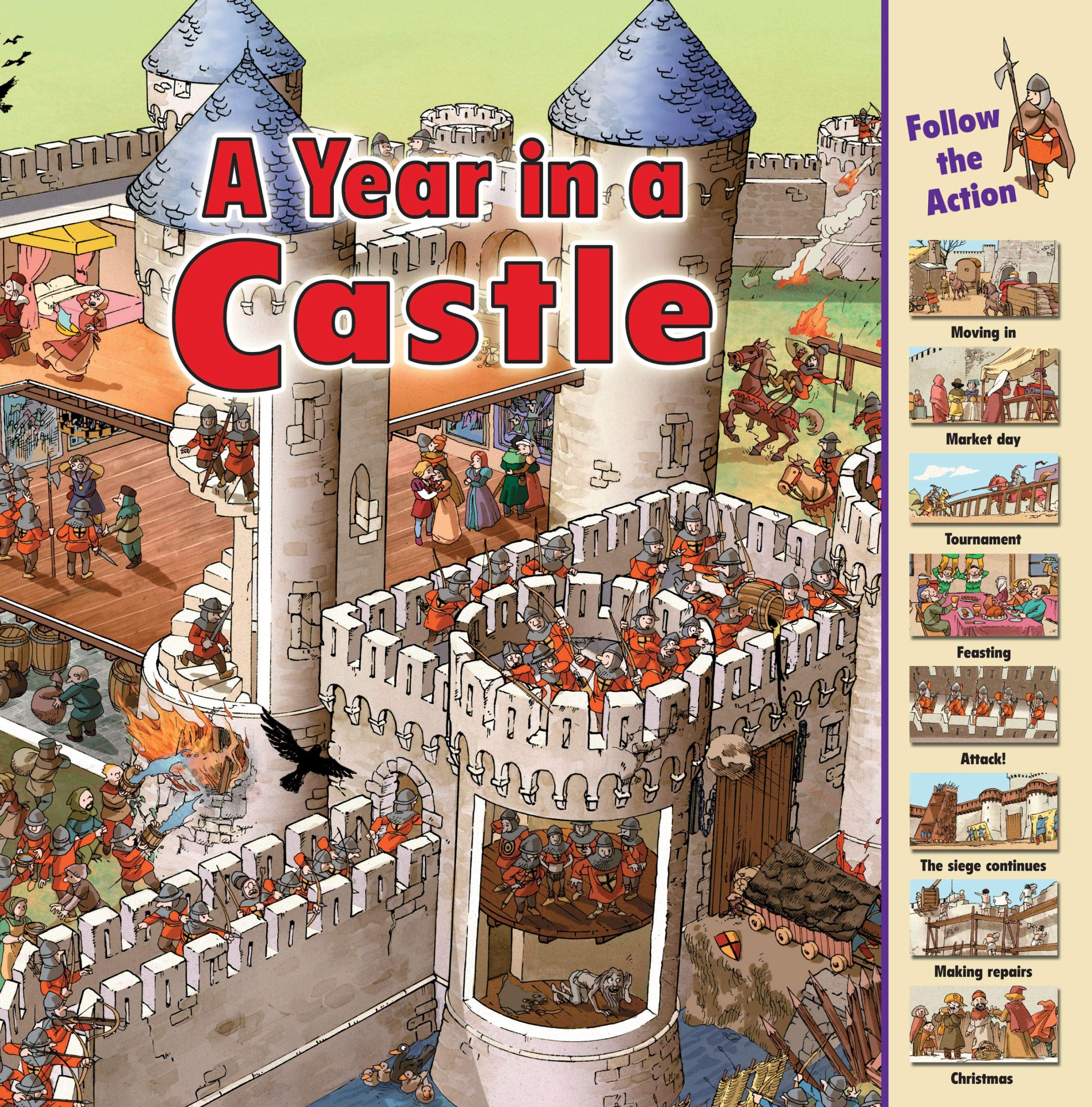
This book is a great choice for families who want to introduce the cycle of days and months in a fun way.
Pros
- Bright, colorful pictures make learning about time more fun.
- The book shows what life was like long ago in a simple way.
- Kids can look for things hidden in the drawings, keeping them engaged.
Cons
- Some parents may not like a scene showing a monk hiding gold.
- A 4-year-old might need extra help with some of the information.
- The story jumps around quickly, which can be a bit confusing at first.
We read “A Year in a Castle” together and felt like we stepped back in time. Each page is full of tiny details for us to spot.
We talked about days and seasons by seeing things change each month. The book keeps our child interested with many different scenes.
We asked and answered lots of questions about what people did every day. The search-and-find parts are fun and got our child to pay more attention to the pictures.
Some of the history is hard for younger kids, so we talked about what was happening. Families may need to explain some old beliefs and actions.
First Day of Kindergarten Book

This book helps young kids feel good about starting kindergarten and understand how days work at school.
Pros
- The story makes talking about school routines easy and fun
- It’s gentle and upbeat, perfect for easing worries
- Kids often ask us to read it again and again
Cons
- Doesn’t cover hours or clocks in detail
- Might feel more about the school than learning to tell time
- Some details fit older preschoolers better than younger 4-year-olds
We picked up First Day of Kindergarten Book when we helped our kids get ready for school. The book’s style is comforting and introduces what a school day looks like with simple words.
Our little ones related to the characters, which made it easier to talk about school and what to expect each day. The story talks about routines like songs, games, and lunchtime.
This helped us talk about daily schedules with our four-year-olds. The bright pictures held their attention, and the short text made storytime easy.
If you want to teach hours and minutes, this book does not go into detail. It is better for talking about the passage of days and helping kids feel excited about school.
A Second, a Minute, a Week with Days in It

This book is a playful way to help young kids start learning about seconds, minutes, hours, and days.
Pros
- Silly rhymes and cartoons help keep kids engaged
- Breaks down time into easy pieces
- Fun pictures help children picture what time means
Cons
- Jumps between concepts quickly and might confuse some children
- Some kids may lose interest if they don’t like rhymes
- Not all examples are easy to relate to everyday life
We read this book and saw bright, colorful illustrations and bouncy rhymes that interested our little ones. The book gives funny examples to explain seconds and minutes.
This makes the new words and ideas easier to remember. Even though the book is for children up to third grade, most four-year-olds can enjoy it if we read it together.
The book has a silly, light-hearted feel, so it does not feel like a lesson. Our kids liked pointing out the animals and following the catchy rhythm.
Some parts move quickly from seconds to years, so we paused to talk about a few pages. If we want to focus on smaller chunks of time, we add our own examples from daily life.
I Am 6 and Wonderful
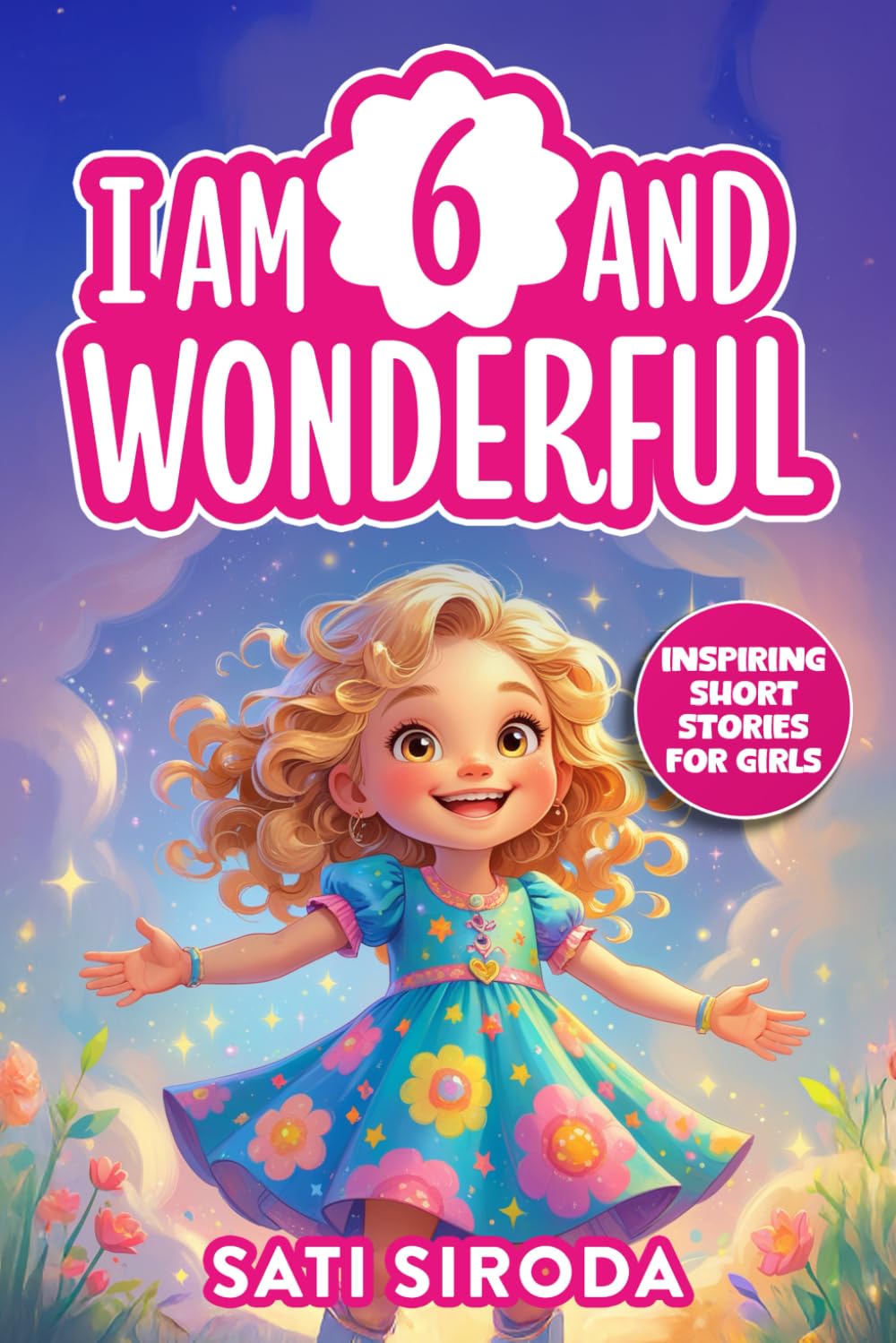
This book inspires kids with short stories that teach courage, kindness, and confidence.
Pros
- The stories are uplifting and easy to read together.
- Each tale has a positive message about real-life problems.
- Perfect for bedtime or quick reading sessions.
Cons
- The stories seem better for kids over four, maybe around six or seven.
- Illustrations are limited, so younger children might lose interest.
- Some stories focus more on feelings and less on time concepts.
We read “I Am 6 and Wonderful” with our children and enjoyed the short, positive stories. Each story shares a lesson about believing in ourselves, being brave, and staying kind.
The stories work best for kids who are ready for more conversation. The book often talks about feelings and everyday situations.
There are not many pictures, so some younger kids might lose interest. Still, the book gives us chances to discuss important values and simple examples, like how to deal with fear or make new friends.
If you want to help a four-year-old learn about days, hours, and time, this book does not cover those ideas. It is better for introducing positive attitudes and courage.
It’s About Time
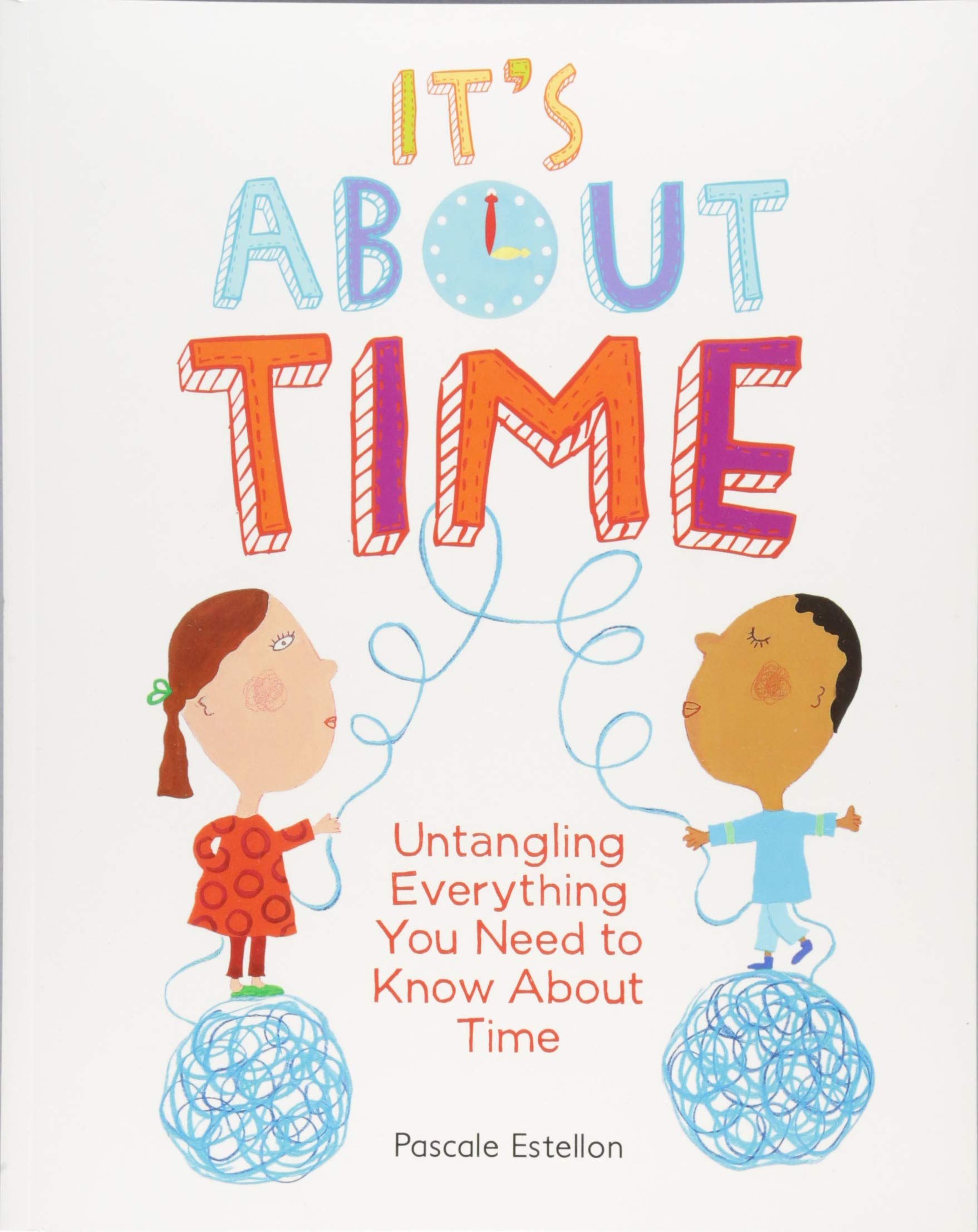
This book is a good pick for young kids who are starting to ask about days, hours, and how time works.
Pros
- Makes tricky ideas easy for little learners
- Colorful pages hold kids’ attention
- Fun for family reading sessions
Cons
- Some topics might be too complex for 4-year-olds
- A few pages feel a bit long for short attention spans
- Not many interactive parts
When we read this book, we saw the pictures were bright and inviting. The author explains what “time” means and helps us talk with our little ones about clocks, routines, and days of the week.
Our four-year-old liked the pages about daily plans and bedtime. Some sections cover advanced ideas, so we paused and explained things in simpler ways.
If your child is four, they might need help with some parts, but older siblings may enjoy joining too. The book looks attractive and well-made, but we wished for more hands-on activities or flaps.
Still, It’s About Time is a nice read for families starting to explore the basics of time together.
Buying Guide
When you look for books about days and hours for 4-year-olds, focus on a few key things. Use simple language so little ones can follow along and understand.
Check for books with large, colorful pictures. Kids at this age love visuals, and pictures make learning about time more fun.
Pick books made with sturdy pages or board pages. These last longer, especially in small hands.
Here are some features to look for:
| Feature | Why It Matters |
|---|---|
| Thick Pages | Easier to turn, less likely to tear |
| Rhyming Text | Makes reading out loud more engaging |
| Interactive Elements | Flaps, clocks, or sliders boost learning |
| Clear Clock Images | Helps kids see how clocks work |
Choose books that use everyday routines, like breakfast or bedtime. This helps kids connect new ideas to their own lives.
Select books with interactive parts, like moving hands on a clock or simple puzzles. These features make learning hands-on and exciting.
Read a few pages together before buying. This helps you see if the words and pictures match what your child enjoys.
Try a mix of storybooks and activity books. This supports different ways kids learn about time.


