

Reading with young children helps them learn in the best way possible. Books about patterns introduce early math skills through play.
These books encourage kids to spot similarities and differences. Children notice repeating objects and predict what comes next while enjoying cozy storytime.
For 2-year-olds, the right pattern book should be bright, simple, and engaging. Children at this age love colorful pages and clear shapes.
Books with chances to point, clap, or name objects make learning hands-on and exciting. Interactive books keep little ones interested.
Choose books with sturdy pages for busy hands. Look for easy language and clear patterns.
Books with lift-the-flap or touch-and-feel features add fun. We searched for the best pattern books to start early math fun for 2-year-olds.
Best Books About Patterns for 2-Year-Olds
We found wonderful books that help toddlers learn about patterns in a fun and simple way. These picks make early math easy to enjoy together.
Let’s check out our favorite choices for little learners.
Big Preschool Workbook

This workbook helps toddlers and preschoolers learn patterns and early math skills in a fun, colorful way.
Pros
- Bright pictures and sturdy spiral binding are easy for little ones to use.
- Many activities keep kids interested.
- Works well at home or in preschool.
Cons
- Some activities may be too hard for younger two-year-olds.
- Small mistakes, like confusing letters, may need adult explanation.
- The large book is not very travel-friendly.
The colors and pictures in the Big Preschool Workbook grab children’s attention right away. Activities about spotting shapes and building patterns feel fun, not frustrating.
Kids enjoy matching, coloring, and tracing while learning early math. Thick, spiral-bound pages stand up to eager little hands.
Children like moving between pattern games, counting, and drawing. This variety keeps screen-free time exciting.
Some pages are a bit hard for the youngest children, so adults may need to help. A few errors can be confusing, so it’s useful to work with kids as they go.
We recommend the Big Preschool Workbook for families who want a sturdy, engaging book for early learning.
Mouse Shapes

This book helps families and teachers show little ones how fun learning about shapes and patterns can be.
Pros
- The story keeps children interested and makes learning fun.
- Colorful pictures are easy for young children to understand.
- Perfect length for short attention spans.
Cons
- Some kids may find the artwork plain.
- The story is simple and might not challenge older kids.
- Focus is mainly on shapes, not complex patterns.
In Mouse Shapes, the mice turn simple shapes into creative objects. The story moves at a pace that suits toddlers.
Bright, simple illustrations help kids pick out circles, triangles, and squares. The book gives easy ways to talk about shapes.
We like using this book before art time for shape picture ideas. Simple illustrations help children focus on finding and naming shapes.
Children who want more of a challenge might move on quickly. Parents looking for complex patterns may want more.
Even so, Mouse Shapes is a helpful and engaging book for introducing patterns and shapes to very young children.
Captain Invincible and the Space Shapes

This book uses a playful story to teach kids about 3D shapes.
Pros
- Good mix of story and math.
- Fun activities in the back.
- Engaging for preschoolers.
Cons
- Story can feel silly to adults.
- Some pages have a lot of text.
- Not as exciting for older kids.
Captain Invincible leads children into the world of shapes. The book uses a space adventure to introduce cubes, spheres, and pyramids.
Children enjoy spotting shapes as the story goes along. Activities at the end help reinforce what children just read.
Reading this book often leads kids to point out shapes around the house. This encourages early math in daily life.
Some adults may find the story silly or wordy. Still, it’s a good pick for introducing basic geometry to preschoolers.
For anyone wanting to make 3D shapes fun and easy, Captain Invincible and the Space Shapes is worth trying.
Happy Easter, Mouse!

Families who want a sweet, easy Easter book that lets toddlers spot patterns will enjoy this cheerful pick.
Pros
- Bright, colorful pages make pattern spotting exciting.
- Sturdy board book is easy for little hands.
- Well-known character is a hit with young readers.
Cons
- Focuses mostly on Easter, so it’s seasonal.
- Short read, so stories end quickly.
- Somewhat simple for advanced toddlers.
When we read “Happy Easter, Mouse!” the bright illustrations grab our toddler’s attention. Each page invites us to spot patterns and colors in eggs and backgrounds.
The chunky board pages survive rough handling. The familiar character from the If You Give series comforts young children.
Kids enjoy searching for the mouse and naming colors and eggs. Even though the story is about Easter, children practice early math ideas like sorting and matching.
Because it’s short, we often read it more than once in a row. It isn’t the most complex pattern book, but it holds a toddler’s attention.
For families who enjoy holiday-themed learning, Happy Easter, Mouse! is a cheerful addition to a young child’s library.
Shape (Math Counts Series)
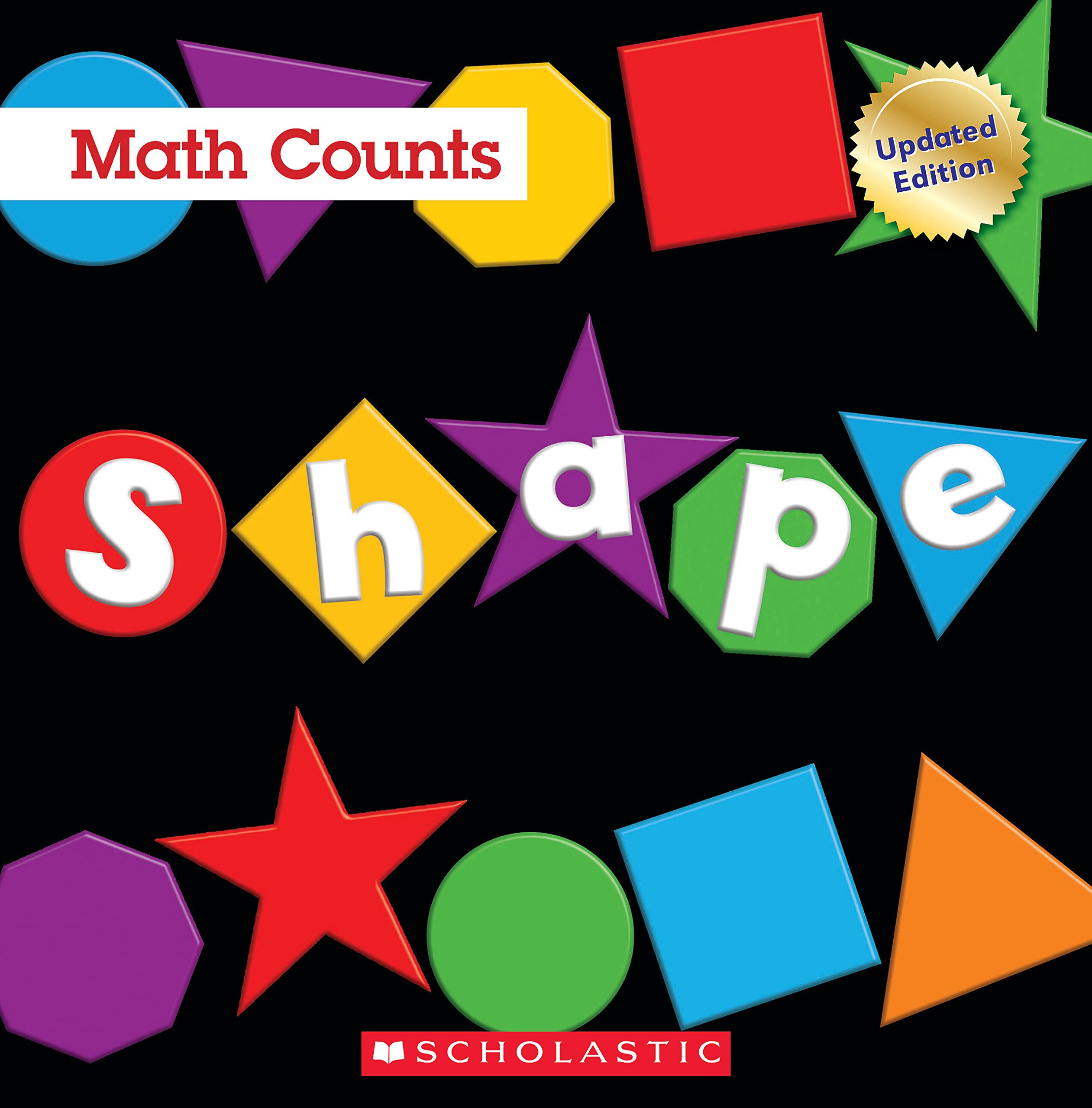
We recommend this book for families who want a clear, simple way to help young children start recognizing shapes and patterns.
Pros
- Bright, real-world photos make learning interesting.
- Simple language helps keep kids focused.
- Small size is easy for little hands.
Cons
- Some pictures can be confusing for younger children.
- The content may be too easy for older readers.
- Not as interactive as some other books.
Shape (Math Counts Series) uses real-life photos instead of cartoons. This makes it easier for children to spot shapes in their world.
The text is short and clear, which works well for younger kids. Children enjoy pointing out shapes and repeating the names.
Some photos are not always obvious, which can cause confusion. This gives adults a chance to talk through what they see.
The book works best for one-on-one reading or small groups. It’s small and easy for children to handle.
Even though it doesn’t have many interactive activities, it introduces math concepts in a gentle way. For a simple start to recognizing patterns and shapes, this book is a solid choice.
Buying Guide
When we look for books about patterns for 2-year-olds, we want simple and colorful designs. Bright pictures keep our little ones interested.
We should pick books with thick, sturdy pages. Board books work best because small hands can hold them easily.
Let’s check for books that use repetitive language and predictable patterns. This helps children follow along and learn new words.
Here are a few features to consider:
| Feature | Why It’s Important |
|---|---|
| Sturdy Pages | Withstands rough handling |
| Bold Images | Catches and keeps attention |
| Simple Text | Easier to understand and repeat |
| Interactive | Lift-the-flap or touch-and-feel |
Books with interactive features like flaps or textures make learning patterns more fun.
Choose books that encourage participation. Look for ones that ask questions or invite us to find or repeat patterns with our child.
Check the recommended age range to make sure the book is safe and right for 2-year-olds.


