

Reading is a fun way to help kids learn about the world. At age three, children start to spot differences and sort objects by size.
“Big and small” is a great concept to explore through books. Stories or picture books about sizes make learning these ideas feel like play.
When you pick out books on this topic for toddlers, keep a few things in mind. The books should have clear, colorful pictures and simple words.
Sturdy pages help the books last through rough handling. Some books include interactive parts like flaps or textures, which keep little readers interested and make learning more hands-on.
The right book supports your child’s understanding of sizes as they get ready for preschool. We read and reviewed a mix of popular and lesser-known books about big and small ideas to find the most engaging, easy-to-follow, and well-made options.
Best Books About Sizes for 3-Year-Olds
We gathered our favorite books to help little ones learn about big and small. These picks are perfect for teaching kids about sizes in a fun and simple way.
Let’s look at the best options for curious 3-year-olds.
Big Shark, Little Shark

This book introduces big and small size ideas to kids who are just starting to read.
Pros
- Durable and easy for small hands to hold
- Bright, playful illustrations keep little kids interested
- Story is short and quick for bedtime or learning sessions
Cons
- Might feel too short for kids who want longer stories
- Basic story may not hold interest for older children
- Focuses mainly on size, so there’s not much else to the lesson
“Big Shark, Little Shark” makes learning about big and small easy for young kids. The colorful, friendly pictures and quick story work well for 3-year-olds with short attention spans.
Simple words help you guide your children as they start to read. Little hands can hold this slim book and flip the pages on their own.
The book stands up well to lots of reading and some rough handling. That’s helpful since kids often want to read it again and again.
If you want something quick for a busy day or bedtime, this book works well. The story focuses on the size difference between two sharks, making it straightforward for teaching opposites.
It may not interest kids looking for a deeper story or more variety. For our youngest readers, it’s just right for early learning and building reading confidence.
A Day at the Airport by Richard Scarry

This book offers a colorful and easy way for little kids to learn about big and small sizes.
Pros
- Bright pictures grab kids’ attention
- Simple learning moments about sizes and airport scenes
- Right size to fit in a toddler’s backpack for traveling
Cons
- Some pages feel crowded with details
- The story is short
- Not focused only on big and small concepts
We used A Day at the Airport on our last trip and enjoyed how the book used different planes, vehicles, and airport scenes to talk about big and small things. Our kids had fun pointing at the largest jets and spotting the tiny luggage carts.
The busy pictures are engaging, perfect for curious three-year-olds. Turning the pages, we found plenty to chat about.
Each scene gives kids chances to compare sizes and ask questions. It’s great for discussions about big and small, along with everything else you’d find at an airport.
While the book covers more than just size concepts, it still helps little kids notice differences around them. The book is small and lightweight—easy to take on the go.
For families with young children interested in travel and learning about sizes, this book is a good choice.
Goodnight Big and Small
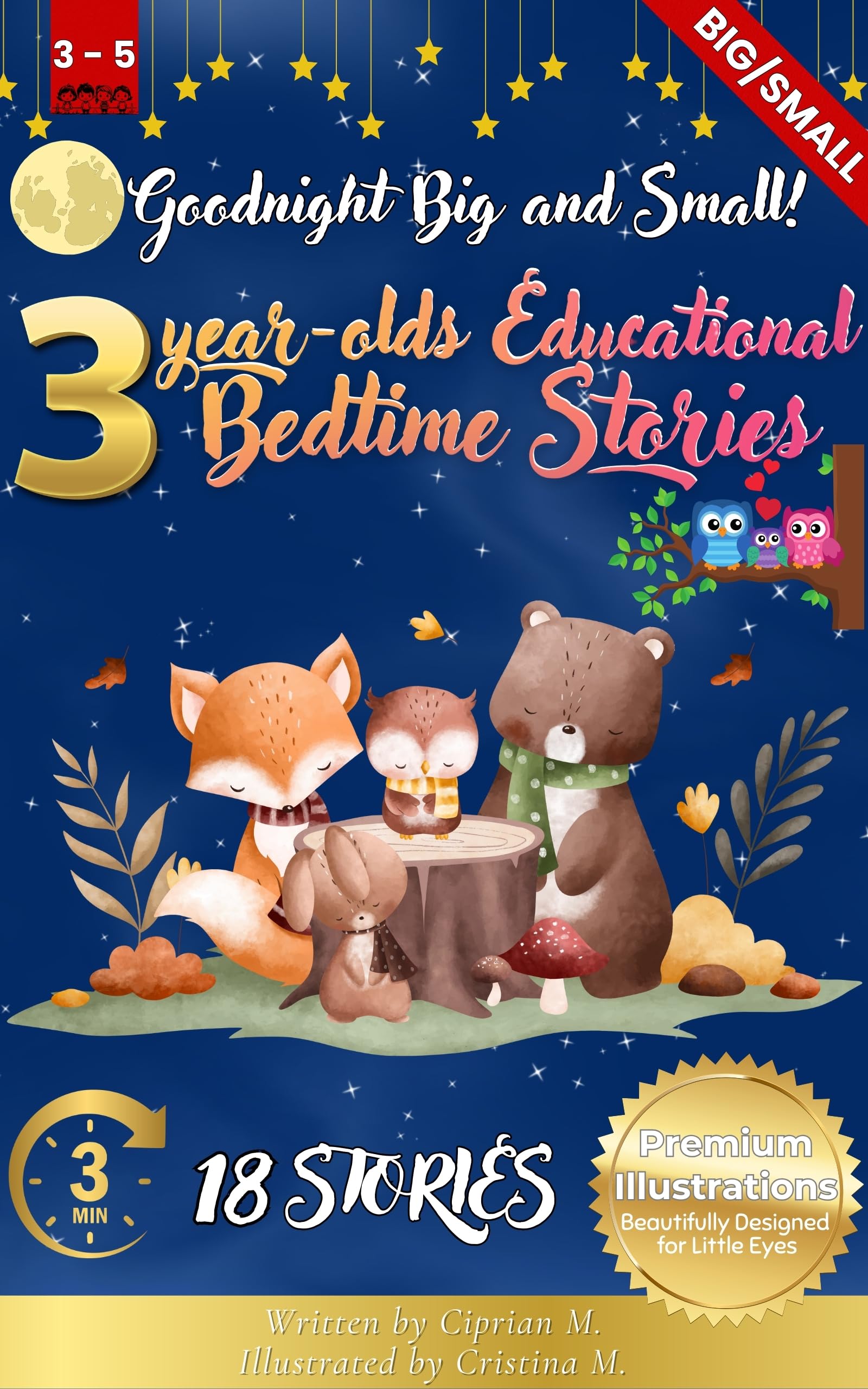
This book helps families teach little ones about big and small at bedtime in a gentle, fun way.
Pros
- Simple stories are easy for young kids to follow
- Bright pictures keep a child’s attention
- Gentle bedtime tone calms things down before sleep
Cons
- Book is short
- Some ideas might go over kids’ heads
- No advanced features for Kindle readers
Goodnight Big and Small stands out for its clear and gentle way of teaching opposites. The stories are written at just the right level for three-year-olds.
The language is warm and encouraging. Kids can relate to the ideas of big and small during everyday family moments.
The illustrations are colorful and fun. Our child pointed out the big and small objects in each picture, making it easy to start simple discussions about sizes.
Reading together at night led to good questions and smiles. The book isn’t very long, so it fits nicely before bedtime.
We found ourselves rereading it to stretch out the experience. While we missed a few eBook features like page flip, it’s still helpful for gently introducing size concepts to young children.
Dear Zoo: Lift-the-Flap Book

This book excites little kids about learning big and small with animals and flaps.
Pros
- Interactive flaps keep toddlers engaged
- Fun way to introduce size and animal names
- Sturdy pages survive toddler use
Cons
- Flaps can tear if not handled carefully
- Short at only 18 pages
- Some animals might be unfamiliar to very young kids
“Dear Zoo” is a hit during story time. Our kids can’t wait to open each flap and see which animal is hiding.
The book turns learning about sizes and animal names into a game. Young children can easily follow along.
The book holds up better than most, though rough hands may still rip a flap with too much excitement. We help turn the pages gently.
Even with little ones being hands-on, the book feels sturdy. The simple and repetitive story is perfect for three-year-olds just starting to recognize big and small objects.
The compact size fits nicely in a backpack for on-the-go reading. If you want a classic interactive book, “Dear Zoo” is a safe bet.
It may be short, but it’s packed with opportunities for learning and fun.
My Big Animal Book

This book is great for families who want a sturdy, colorful, and simple book to help little ones understand animal sizes and names.
Pros
- Thick board pages resist rough toddler use
- Realistic, big animal photos keep kids interested
- Simple layout makes comparing sizes easy
Cons
- Some animal pictures are close-up and not full-body
- Not specifically focused on teaching big vs. small
- The book is large and might be hard for small hands to hold
This book is a staple in our home for introducing animals and size concepts to young kids. We flip through the big pages together, pointing out which animals are larger or smaller.
The animal photos look real and clear, helping kids name and recognize them. Parents appreciate the tough, glossy board pages.
Little hands can grab and twist, but the pages don’t tear or bend. The cover and pages wipe clean with a damp cloth, which is helpful for messy toddlers.
Most pictures help show how some animals are bigger or smaller than others. A few close-up shots can make comparing sizes tricky at times.
Still, My Big Animal Book is bright, fun, and perfect for everyday reading with little ones. If you want a simple, durable way to introduce animal names and spark size discussions, this book is a strong pick.
Buying Guide
When you shop for books about sizes for 3-year-olds, look for ones that are easy for little hands to hold and enjoy. Board books or sturdy paperbacks last longer with toddlers.
Check how the book shows big and small objects. Clear, colorful pictures make the ideas easy for kids to understand.
Simple words and short sentences help keep their attention. Choose books with interactive features, like flaps to lift or textured parts.
These extras make reading time more fun. They also help kids stay interested.
Here’s a quick list to remember when picking out a book:
- Sturdy pages
- Bright, clear pictures
- Simple words
- Interactive elements
- Age-appropriate themes
Check the recommended age range to see if the book fits your child. Most books list the ages they are best for on the cover or in the description.
Good books about sizes use everyday examples, like animals, toys, or food. This helps your child connect the ideas to things they know.
If you shop in stores, flip through the pages to make sure the pictures are large and easy to see. If you shop online, read reviews and look at sample pages to help you choose.
| Feature | Why It Matters |
|---|---|
| Sturdy Pages | Withstand rough handling |
| Colorful Pictures | Attract and engage young readers |
| Simple Text | Easy for toddlers to follow |
| Interactive Parts | Increases fun and learning |
| Age-Appropriate | Matches 3-year-old abilities |


