

Books that teach opposites help babies and toddlers learn in a simple way. These books use easy words and clear pictures to show differences like big and small, up and down, or hot and cold.
One-year-olds love looking at pictures and hearing stories. Concept books about opposites keep their attention and help them learn new words.
For babies at this age, choose books that are safe and sturdy. Board books with rounded corners and non-toxic materials work best because babies often put them in their mouths.
Bold colors and clear images help babies see and understand better. Flaps and textures give curious fingers something fun to touch and lift.
When we shop for these books, we look for ones that are age-appropriate, easy to clean, and safe from choking hazards. This makes reading together safe and fun.
We spent hours looking at popular and new titles to find the best concept books about opposites for 1-year-olds.
Best Concept Books About Opposites for 1-Year-Olds
We want to help little ones start learning about opposites early. Our favorite books use bright pictures and simple words to make learning fun.
Here are the best concept books about opposites for 1-year-olds.
Big Shark, Little Shark

This book is a good pick for young kids who are just starting to learn about opposites and enjoy fun stories.
Pros
- Sturdy pages are easy for little hands to hold
- Bright, playful pictures grab kids’ attention
- Simple text keeps things light and interesting
Cons
- Story is shorter than some kids might want
- Not every page focuses on opposites
- Older toddlers might find it too easy
We added “Big Shark, Little Shark” to our daily reading routine. The bold pictures keep kids interested, and the short sentences make it easy to talk about size opposites.
Our children point and laugh at the silly sharks, showing they are engaged. The sturdy construction holds up to repeated page turns.
We take it in a diaper bag or backpack, and it stays in good shape. Not every page shows a clear “opposites” example, so you might want to add more books if you want to focus only on opposites.
Its playful style makes learning about big and little feel natural and fun. For shark fans, this book is a quick win.
Boynton Opposites Book

This is a simple, sturdy, and fun book to introduce opposites to a one-year-old.
Pros
- Durable board book design made for little hands
- Cute, playful illustrations and clear words
- Short enough for busy toddlers to sit through
Cons
- Binding is a bit soft and bends easily
- Only sixteen pages, so it goes by quickly
- Some pairs of opposites may feel simple for older toddlers
We enjoy reading the Boynton Opposites Book together. The pictures catch our little one’s attention, and the words are easy to point to as we read them.
The animal characters are silly and perfect for our baby’s age. Some nights, this book becomes our quick bedtime read.
The sturdy pages stand up to rough handling, and it is the right size for small hands. The softer cover can bend if tossed around.
For families with older toddlers, it may not keep their attention for long. For little ones just starting out, this book is a helpful choice for learning opposites.
Big Dog . . . Little Dog Board Book

This board book is a great pick for families who want a simple, sturdy story about opposites that little ones enjoy.
Pros
- Thick pages are perfect for little hands
- Opposites appear in a clear, easy-to-understand way
- Great for reading aloud with toddlers
Cons
- The story feels a bit old-fashioned
- Illustrations use only basic colors
- Text is so simple, it may seem repetitive
Reading Big Dog . . . Little Dog with our little one is easy and fun. The dogs, Ted and Fred, show opposite pairs on each page.
Our child loves turning the pages and pointing at the dogs. The words are short and the design is simple.
Our child stays entertained by the story and asks to read it often. The opposites come up naturally as part of the story.
Some pages feel less exciting for adults, but the steady rhythm and repeated words help our toddler learn new words. The book is easy to take along or keep on a shelf without worrying about damage.
For families looking for a simple opposites book for young toddlers, this one is reliable.
123 Count with Me

This sturdy and colorful book is a fun way to help toddlers learn about numbers and opposites while working on motor skills.
Pros
- Easy-to-follow grooves make tracing numbers simple for little hands
- Flip pages and bright colors keep toddlers interested
- Durable design stands up to rough toddler use
Cons
- Some corners can arrive slightly banged up
- More focus on counting than opposites
- Book may feel heavy for some little ones
When we opened “123 Count with Me,” we noticed strong pages right away. Our little ones traced the big, raised numbers with their fingers, which helped them remember the shapes.
The tiny doors that flip open add an extra surprise and keep their attention. The bright colors make the book fun to look at every time.
Our toddlers enjoyed counting the objects and flipping each page to see what came next. The book focuses more on counting than opposites.
Still, it helps kids build early learning skills and stays in good shape after many uses. For parents looking for something sturdy for busy hands, this book works well.
London Opposites Board Book
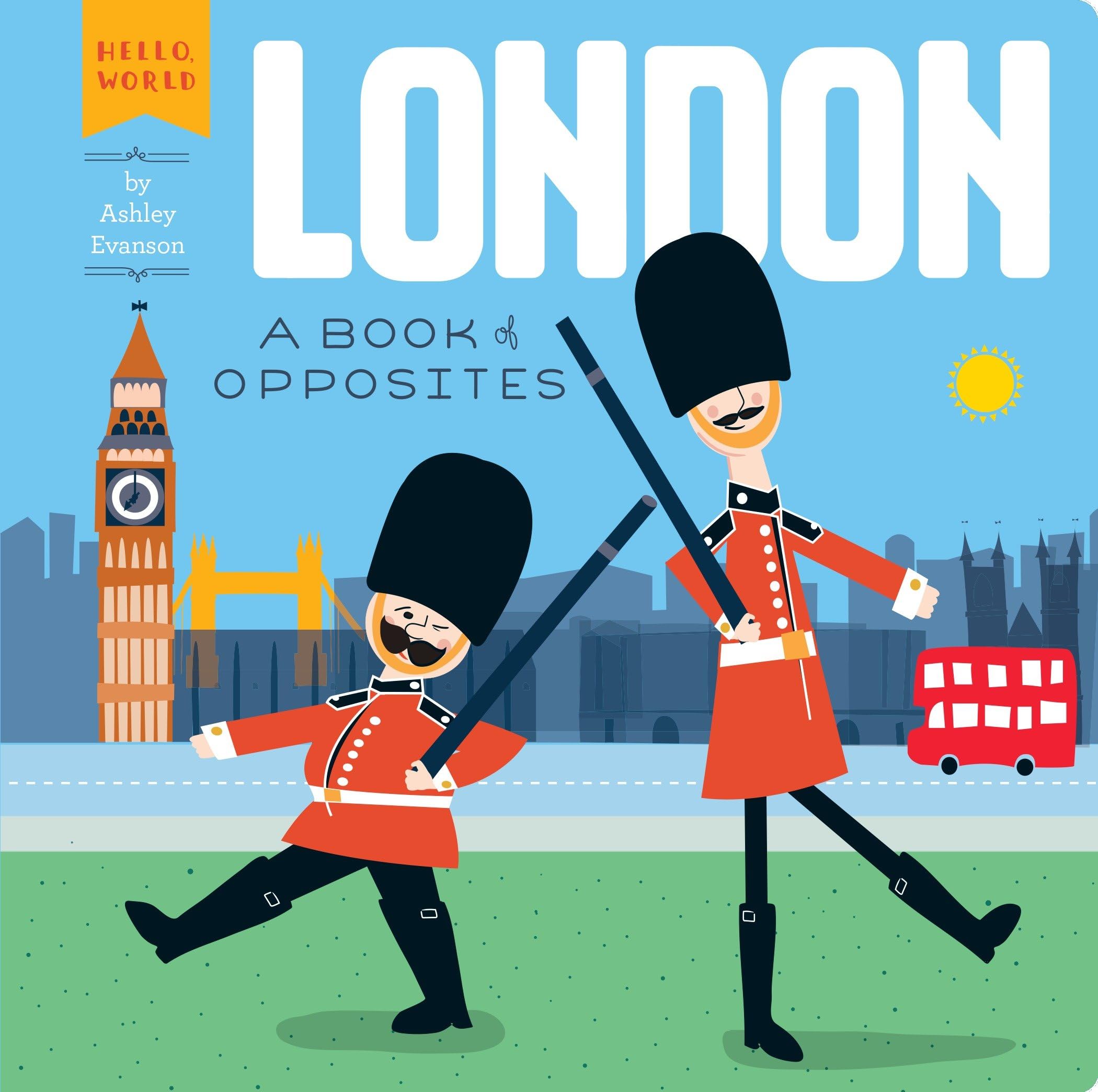
London Opposites Board Book uses gentle illustrations and simple words to help little ones explore basic opposites.
Pros
- Bright, inviting pictures draw in curious toddlers
- Easy-to-hold board book is tough enough for daily use
- Introduces fun London landmarks alongside each concept
Cons
- Only covers a handful of opposite pairs
- A couple of ideas feel a bit repetitive
- Could be longer for more learning opportunities
We use this book at story time, and the cheerful artwork always makes our little one smile. Each page has an easy word pair like “big/small,” which keeps things clear for young listeners.
Famous London spots like the red bus or Tower Bridge give us more to talk about. The sturdy board book is easy for tiny hands to hold.
Our little one flips the pages without trouble, and the book stays in good shape even after many uses. We wish there were more pages and different word pairs, as the book moves by quickly.
Some concepts repeat, like “sunny” in different ways. Still, this book is fun for introducing opposites and sharing a little world travel with our child.
For families who want something simple and sturdy, London Opposites Board Book is a nice choice.
Buying Guide
When you pick a concept book about opposites for 1-year-olds, consider a few things. Babies at this age learn best with simple images and easy words.
Let’s look at what helps you choose a good book.
Things to consider:
- Durability: Board books or cloth books last longer with babies.
- Simplicity: Clear, bright pictures and few words make it easier for little ones.
- Size: Small books fit little hands better.
- Safety: Rounded corners and safe materials keep babies safe.
| Feature | Why It Matters |
|---|---|
| Board pages | Babies cannot tear or chew through them easily |
| Big pictures | Babies can see and point at them easily |
| Few words | Young children can focus better |
| Non-toxic ink | Babies stay safe if they chew on the book |
Look for books with high-contrast images. Babies see these images more easily.
Books with flaps or textures make reading more fun.
Check if the book is easy to clean. Board books with wipeable pages work well for messy hands.
Focus on books that show real-life objects. Babies connect better with things they see every day.


